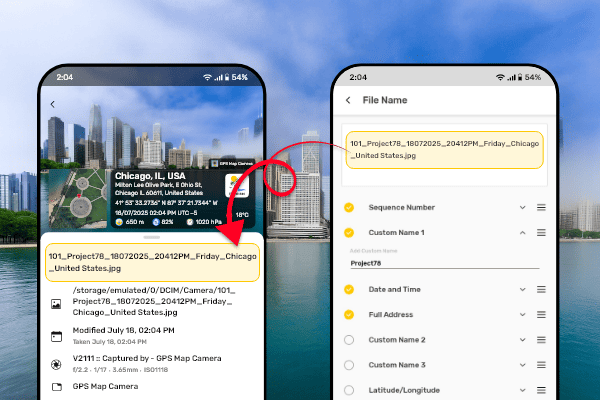
Add a text label to your work photo instantly with the GPS Map Camera.

Auto-stamp your photos & videos with accurate location, date, time, map, logo, and more. Perfect for professionals, travelers, & field teams.

Capture photos with real GPS coordinates & map overlay
Date & time stamps that can’t be edited
Add project name, notes, phone number & your brand logo
Choose automatic or manual location input for flexibility
Used by millions of real estate, construction & contractor, and remote professionals
In conclusion, the PDCA cycle consists of four stages: Plan, Do, Check, and Act. Understanding these stages is essential for applying the PDCA cycle effectively in various contexts. By recognizing which options are not stages of the PDCA cycle, organizations can avoid confusion and ensure that they are using the cycle correctly to achieve continuous improvement and quality control.
The PDCA (Plan-Do-Check-Act) cycle is a widely used management tool for continuous improvement and quality control. It was first introduced by Walter Shewhart and later popularized by Edwards Deming. The cycle consists of four stages that help organizations to plan, implement, evaluate, and improve their processes. However, there are often misconceptions or confusion about the stages of the PDCA cycle. In this paper, we will discuss the actual stages of the PDCA cycle and identify which of the given options are not stages of the PDCA cycle.
Let me know if you want me to make any changes!



GPS Map Camera gives you full control to create photo documentation that’s authentic, accurate, and impossible to fake. Whether you’re on a site, in the field, or documenting memories, every image becomes verifiable proof
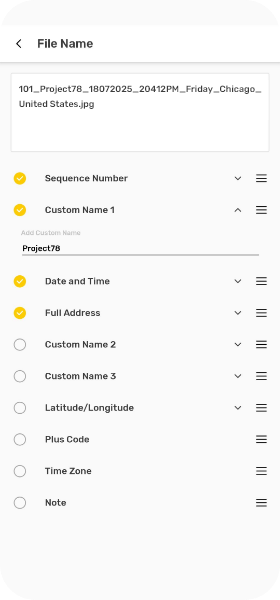
Explore All FeaturesGPS Map Camera automatically names your photos using the location, date, and time from the stamp — no manual work needed. Perfect for professionals who need clean, organized files ready for reports, sharing, or recordkeeping.
No manual renaming
Clean and easy-to-search images
Consistent formatting for reporting or sharing

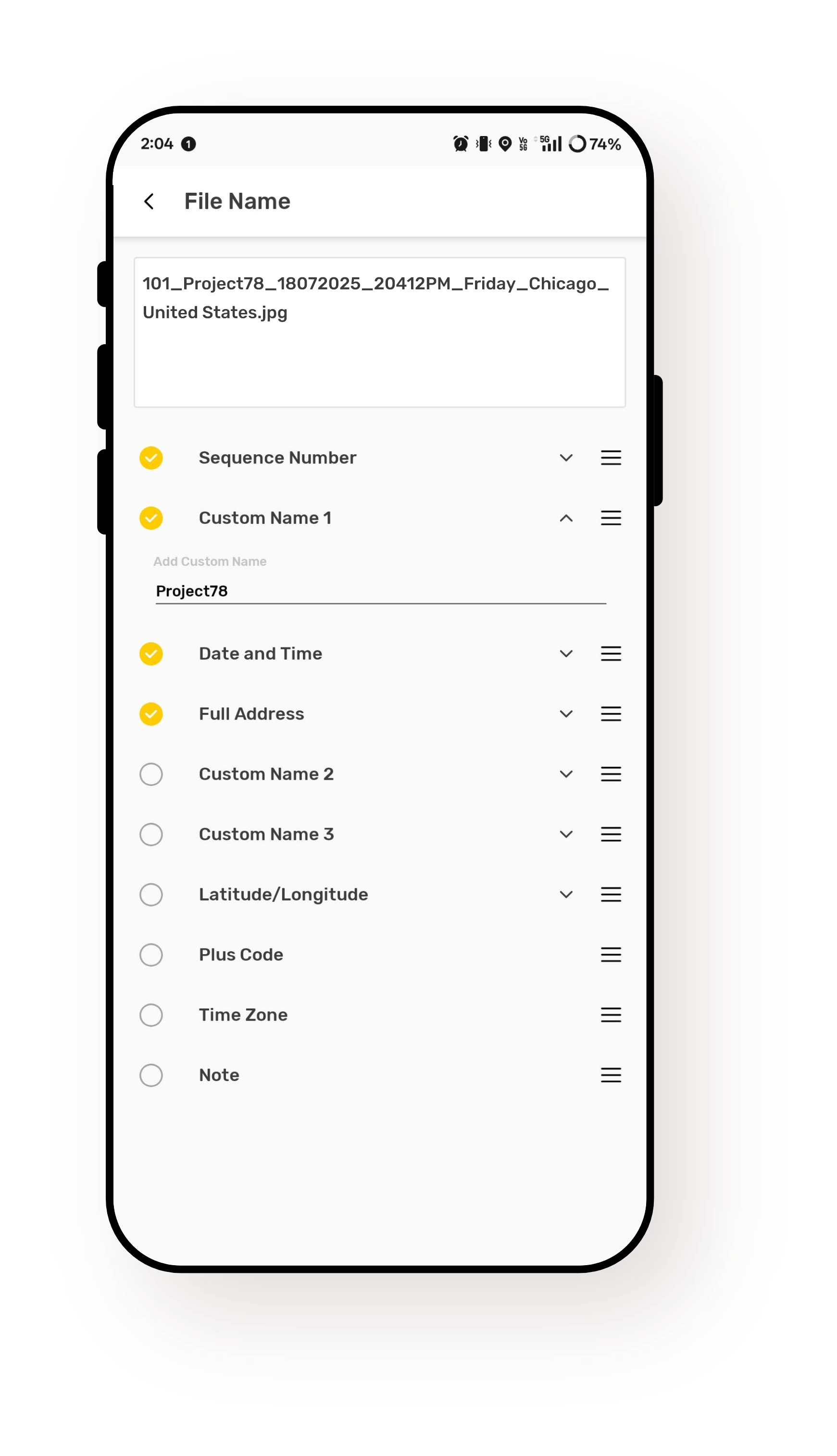

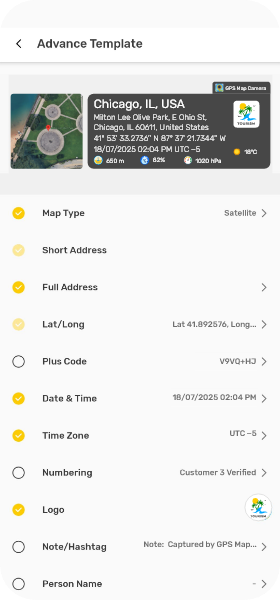
See how GPS Map Camera’s powerful interface makes your images more than just pictures—each one is an authentic, accurate snapshot with automatic stamps.





We believe in transparency. Here are answers to the questions our users ask most.

Explore how people across industries use our app to get accurate, authentic photo documentation.
Super helpful for logging my location and time while working off-site. Plus the file naming is a lifesaver!

I love how my photos show exactly where and when they were taken. It makes my posts more real — and my memories more organized.

Clients trust me more when I send geo-stamped images. It’s added professionalism to my entire work process.

Exactly what I needed! Now every project photo I take includes GPS, time, and location. It’s become a daily part of my workflow.

In conclusion, the PDCA cycle consists of four stages: Plan, Do, Check, and Act. Understanding these stages is essential for applying the PDCA cycle effectively in various contexts. By recognizing which options are not stages of the PDCA cycle, organizations can avoid confusion and ensure that they are using the cycle correctly to achieve continuous improvement and quality control.
The PDCA (Plan-Do-Check-Act) cycle is a widely used management tool for continuous improvement and quality control. It was first introduced by Walter Shewhart and later popularized by Edwards Deming. The cycle consists of four stages that help organizations to plan, implement, evaluate, and improve their processes. However, there are often misconceptions or confusion about the stages of the PDCA cycle. In this paper, we will discuss the actual stages of the PDCA cycle and identify which of the given options are not stages of the PDCA cycle. which among below are not the stages of pdca cycle best
Let me know if you want me to make any changes! In conclusion, the PDCA cycle consists of four