


















New Update Live
Construction Simulator

Game Information

GET TO WORK.

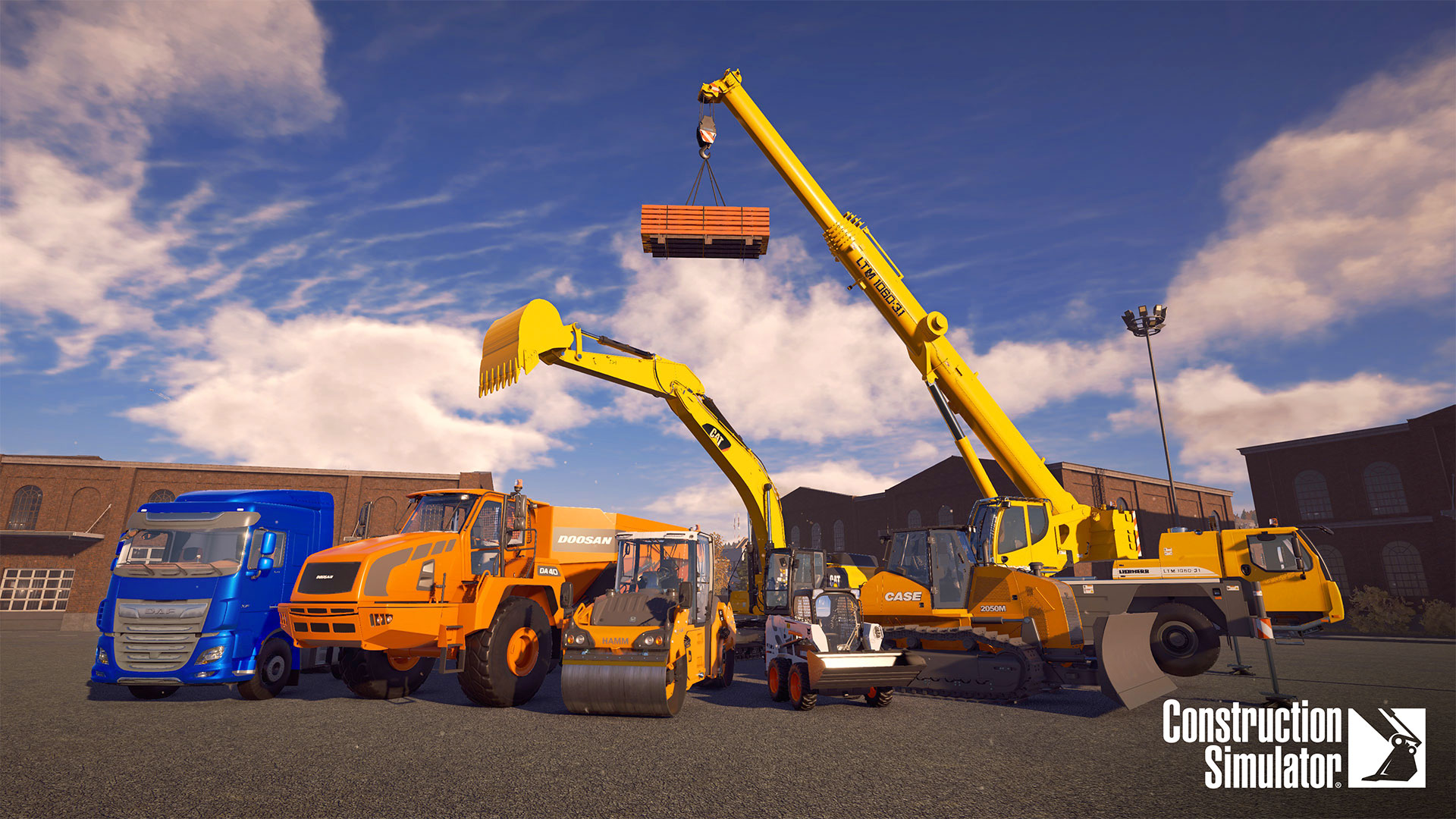
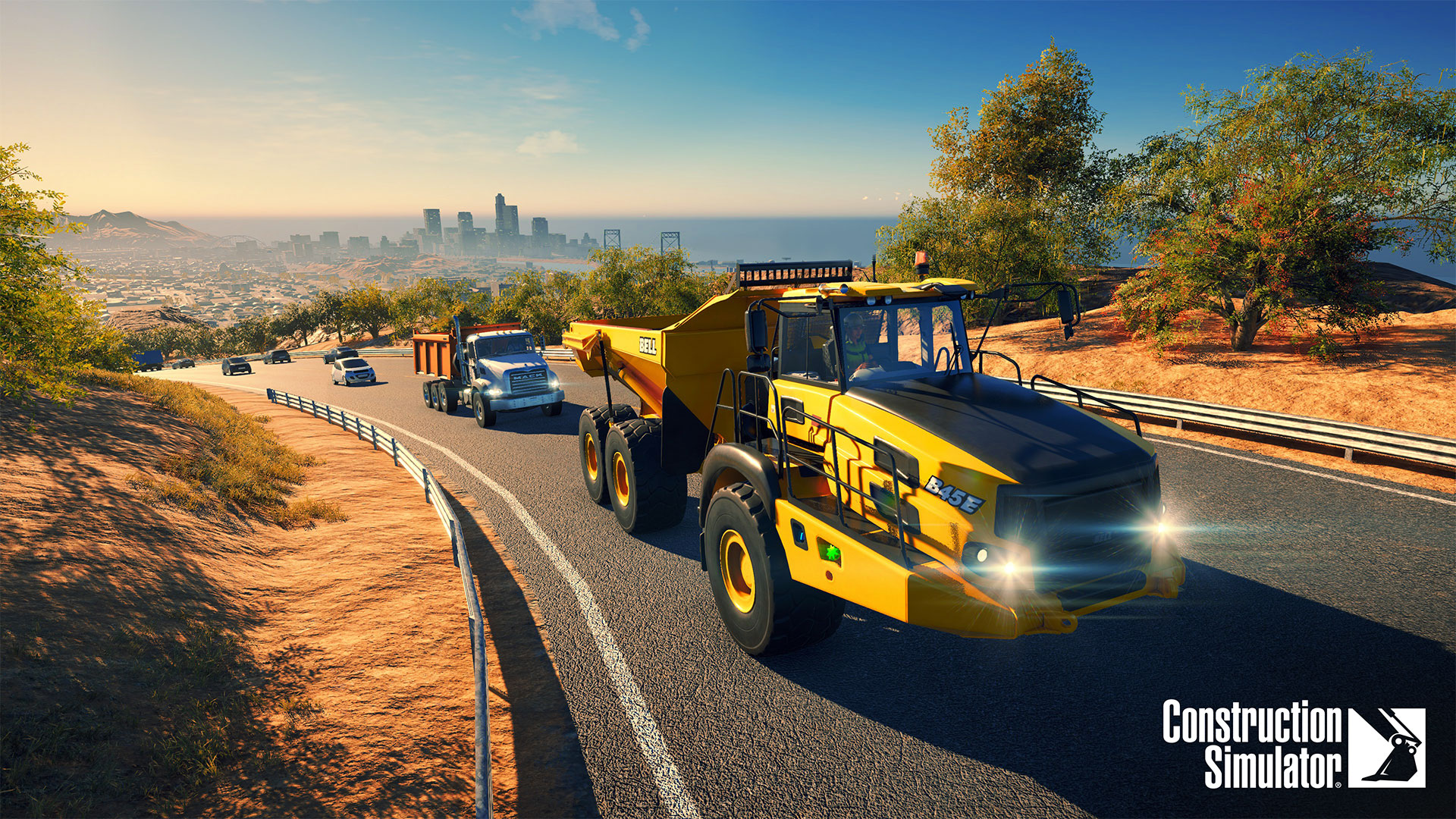
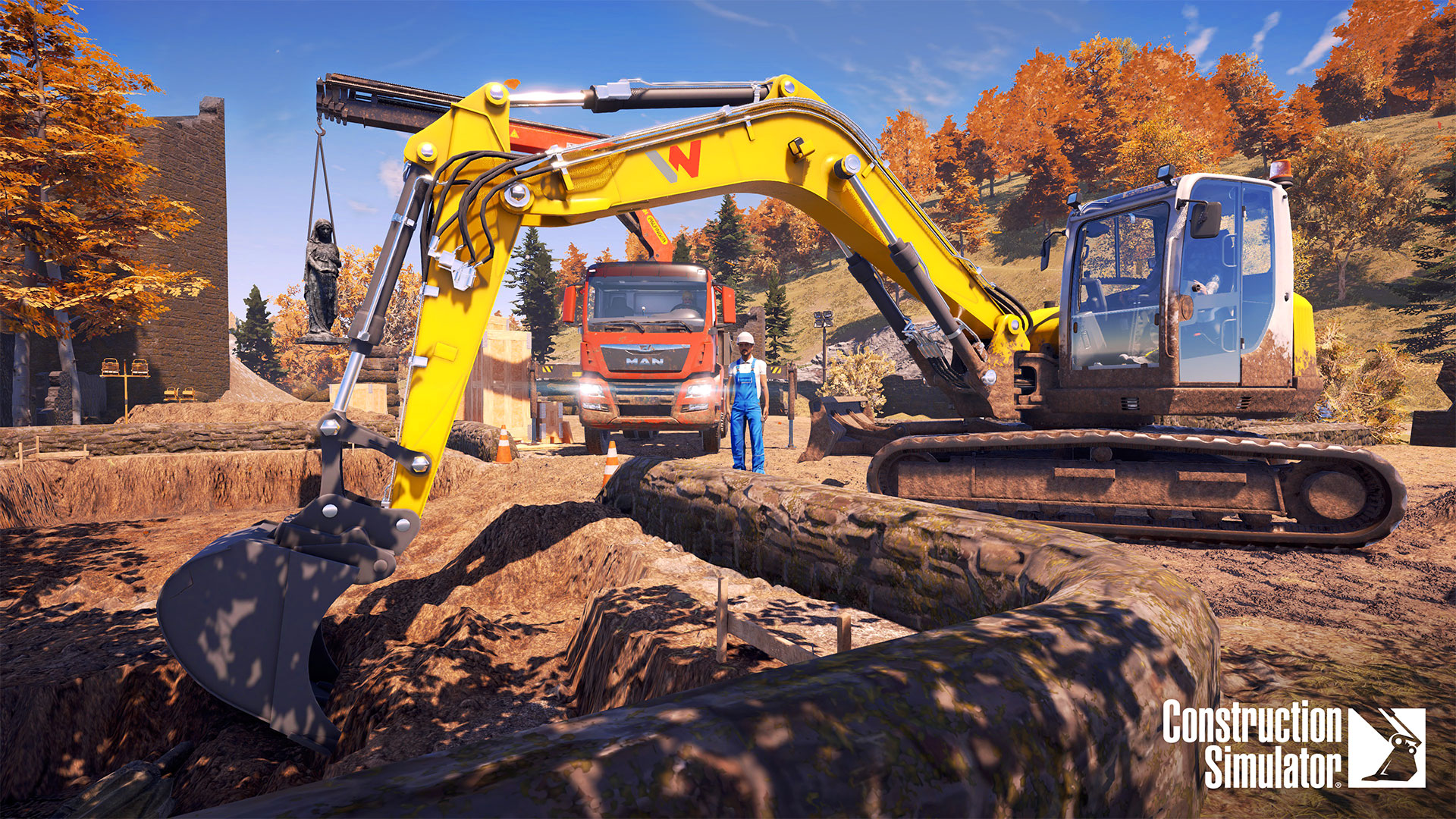
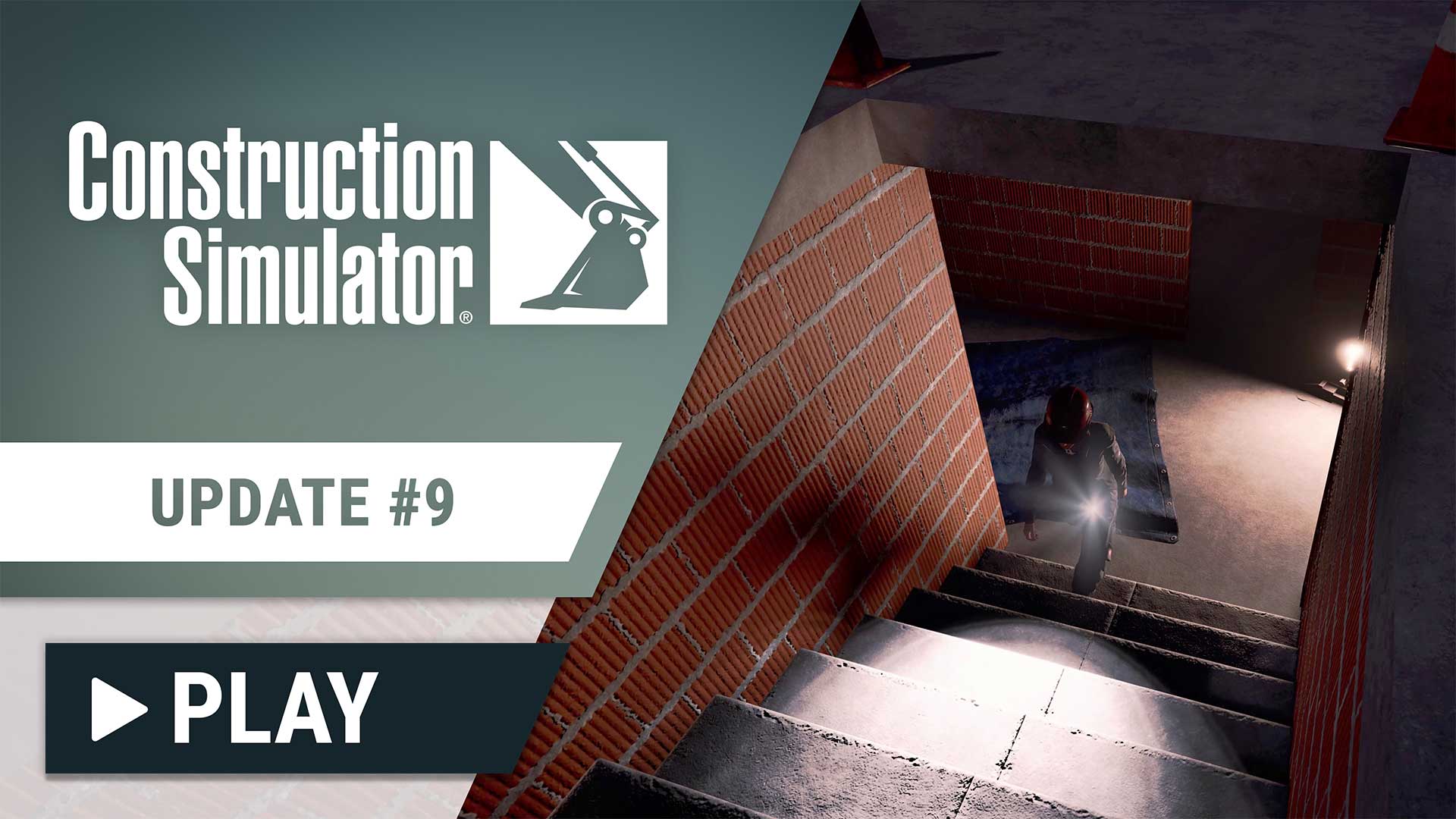
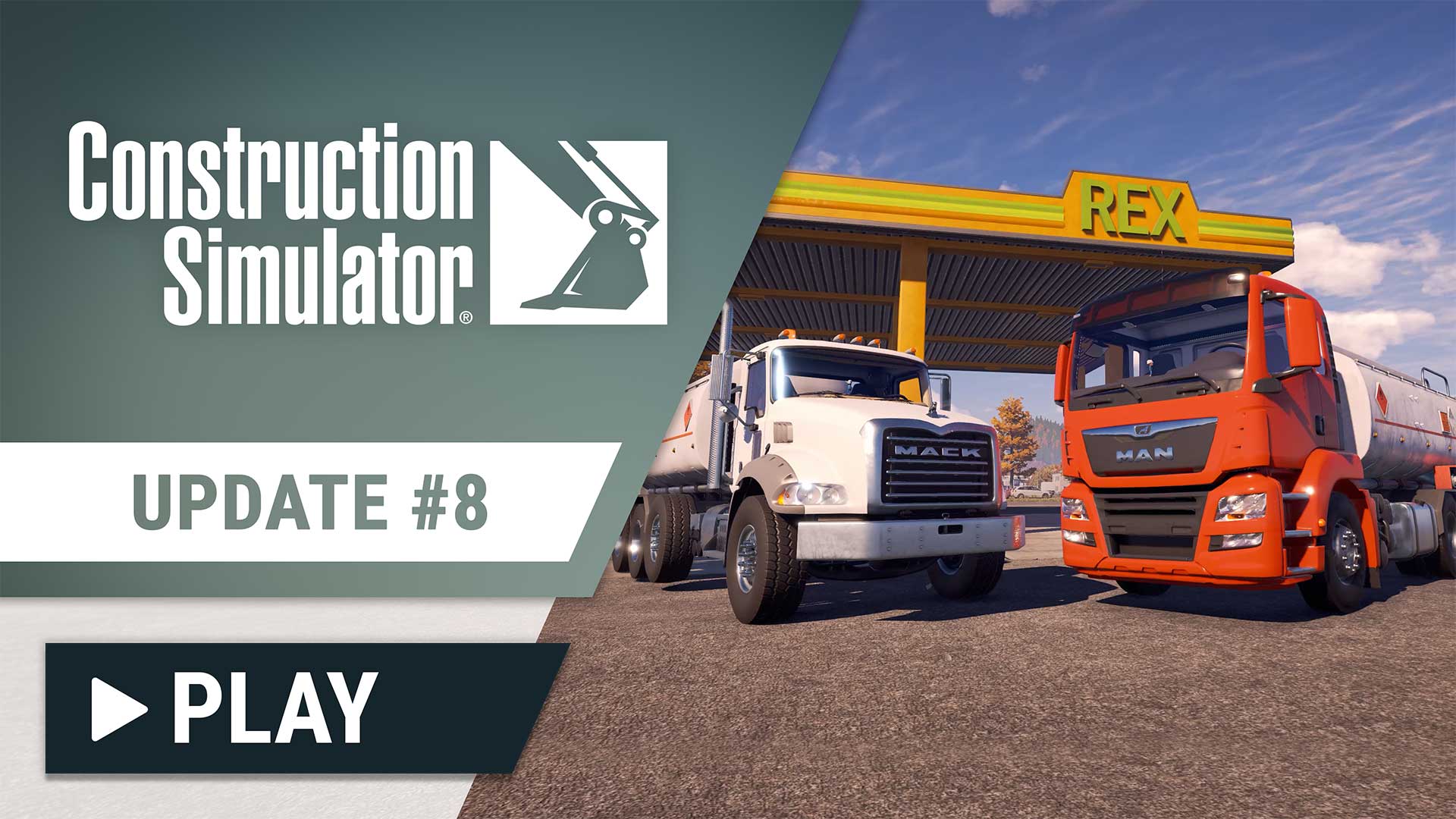
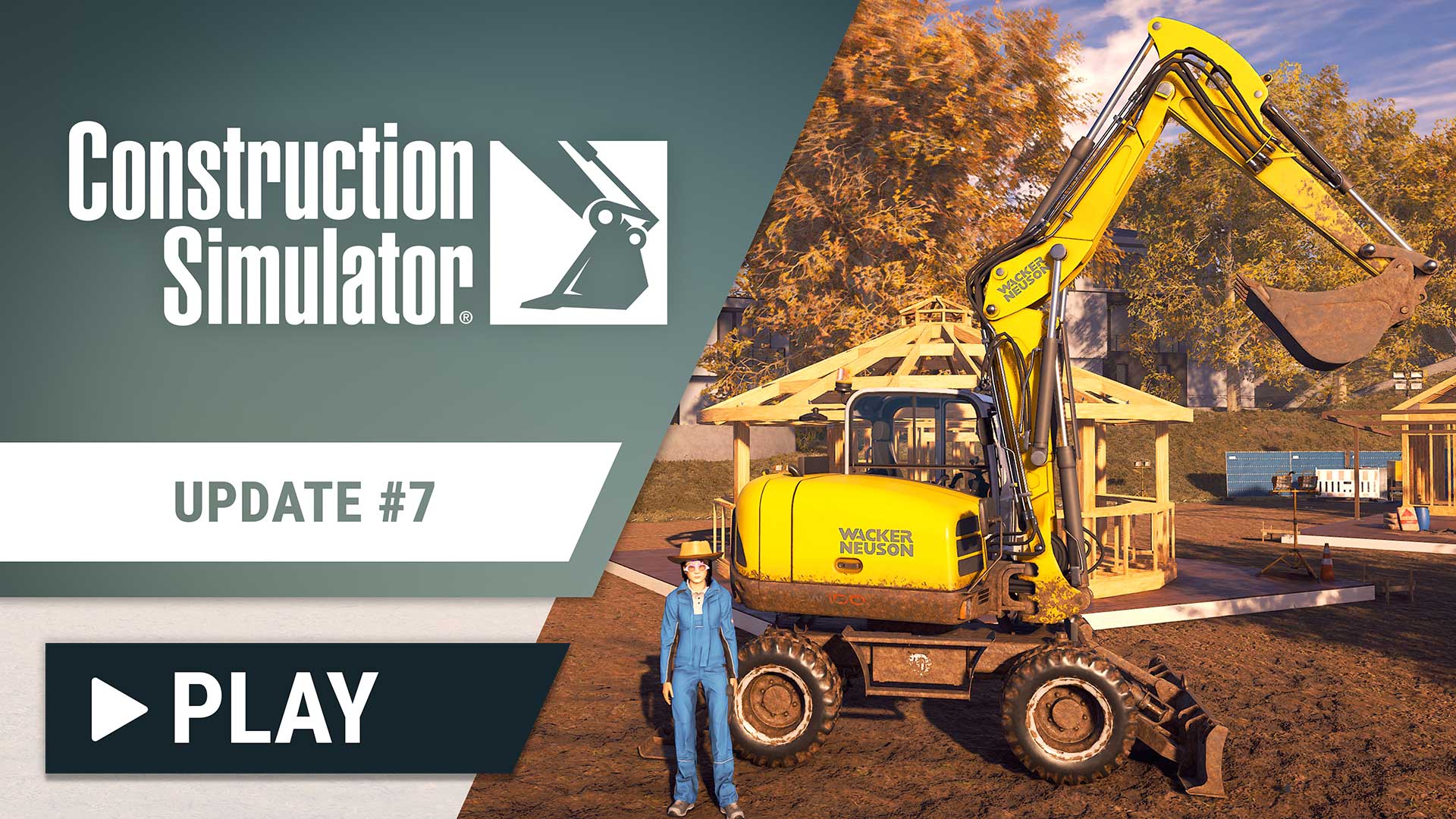
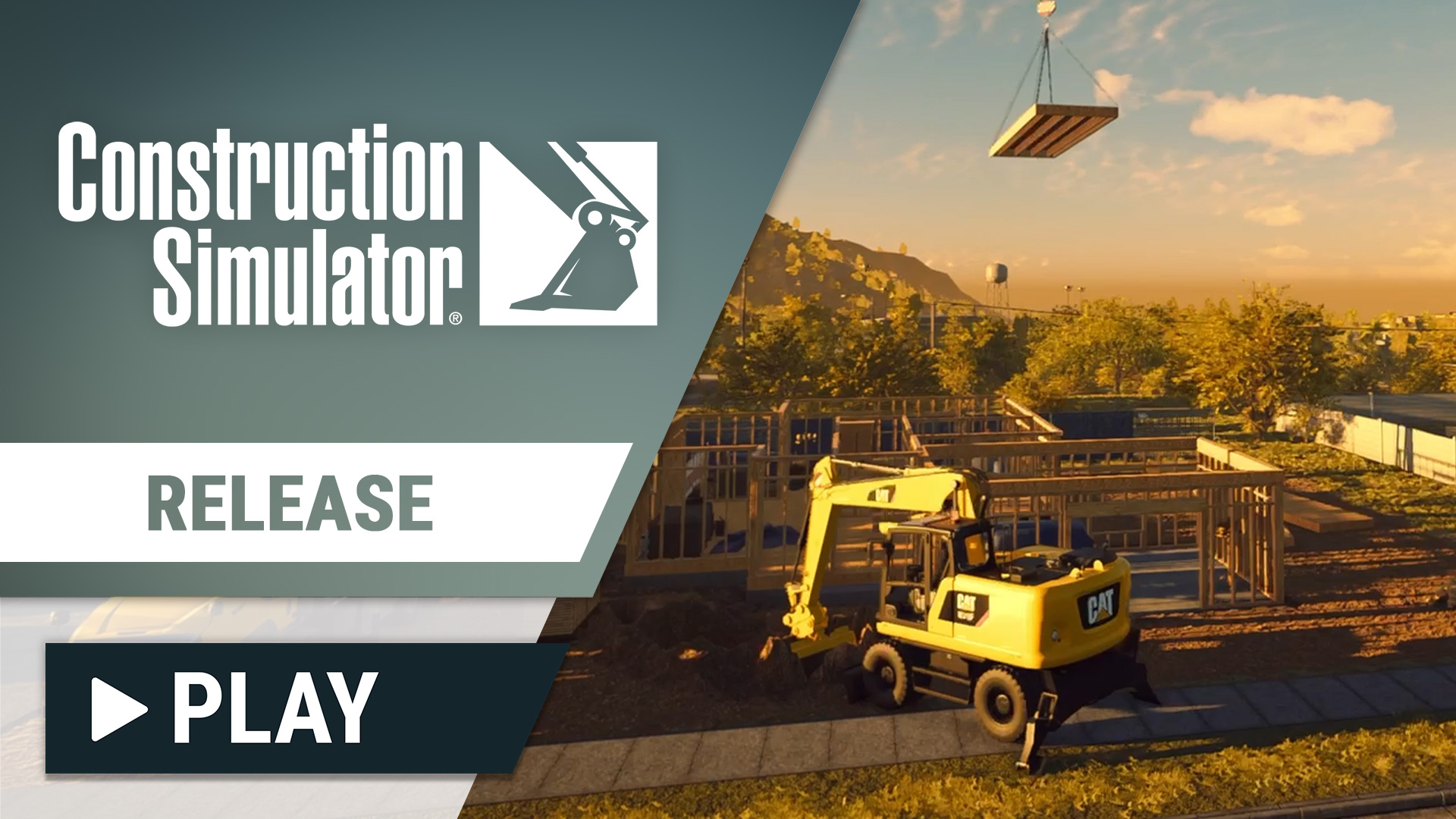
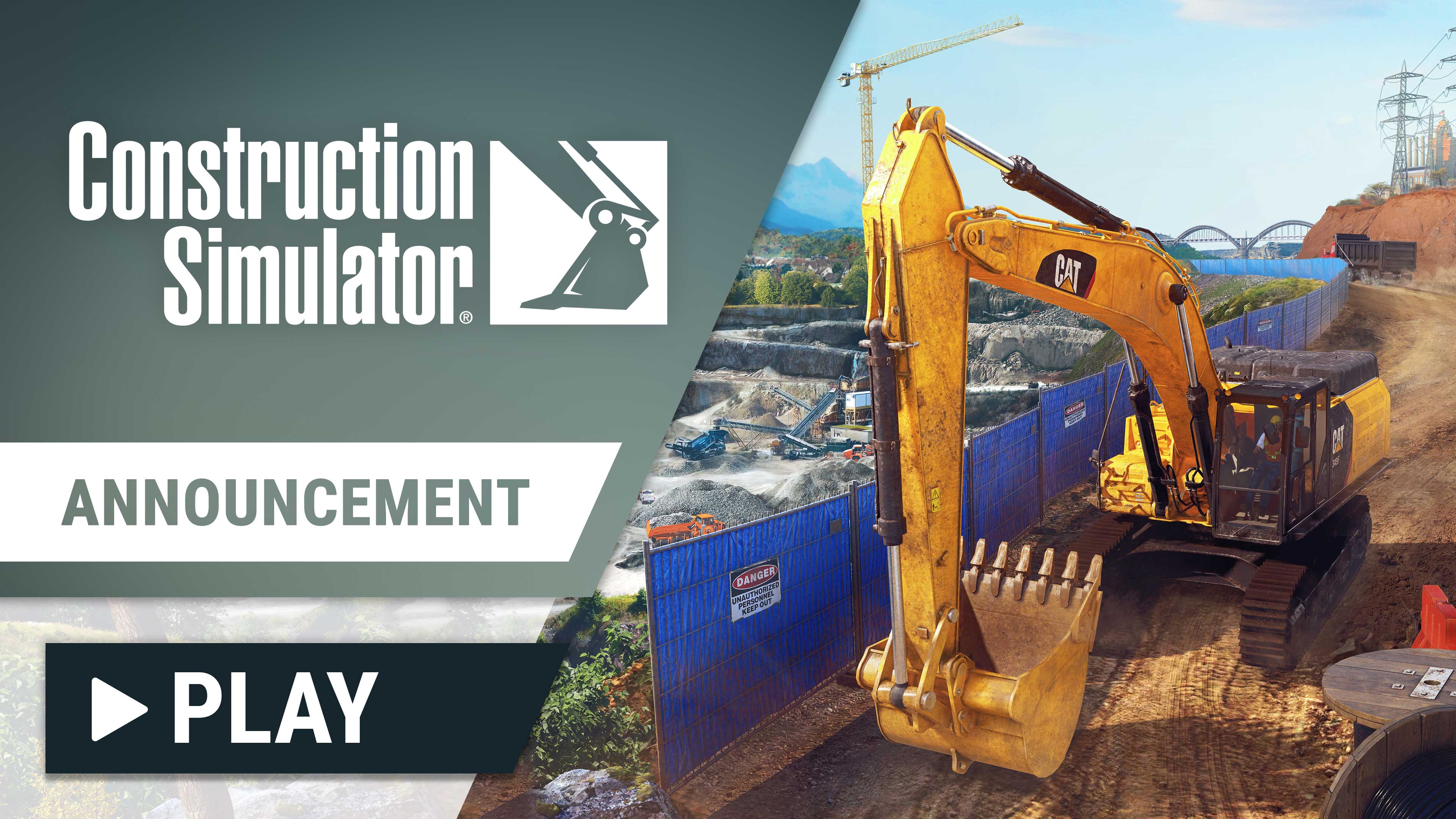
Construction Simulator is back – Bigger and better than ever! Get back to work with a vehicle fleet whose size will knock your socks off. Beyond brands like Caterpillar, CASE and BELL that are already familiar in the Construction Simulator series, you can get behind the wheel of new licensed machines from partners like DAF and Doosan – over 70 in total.

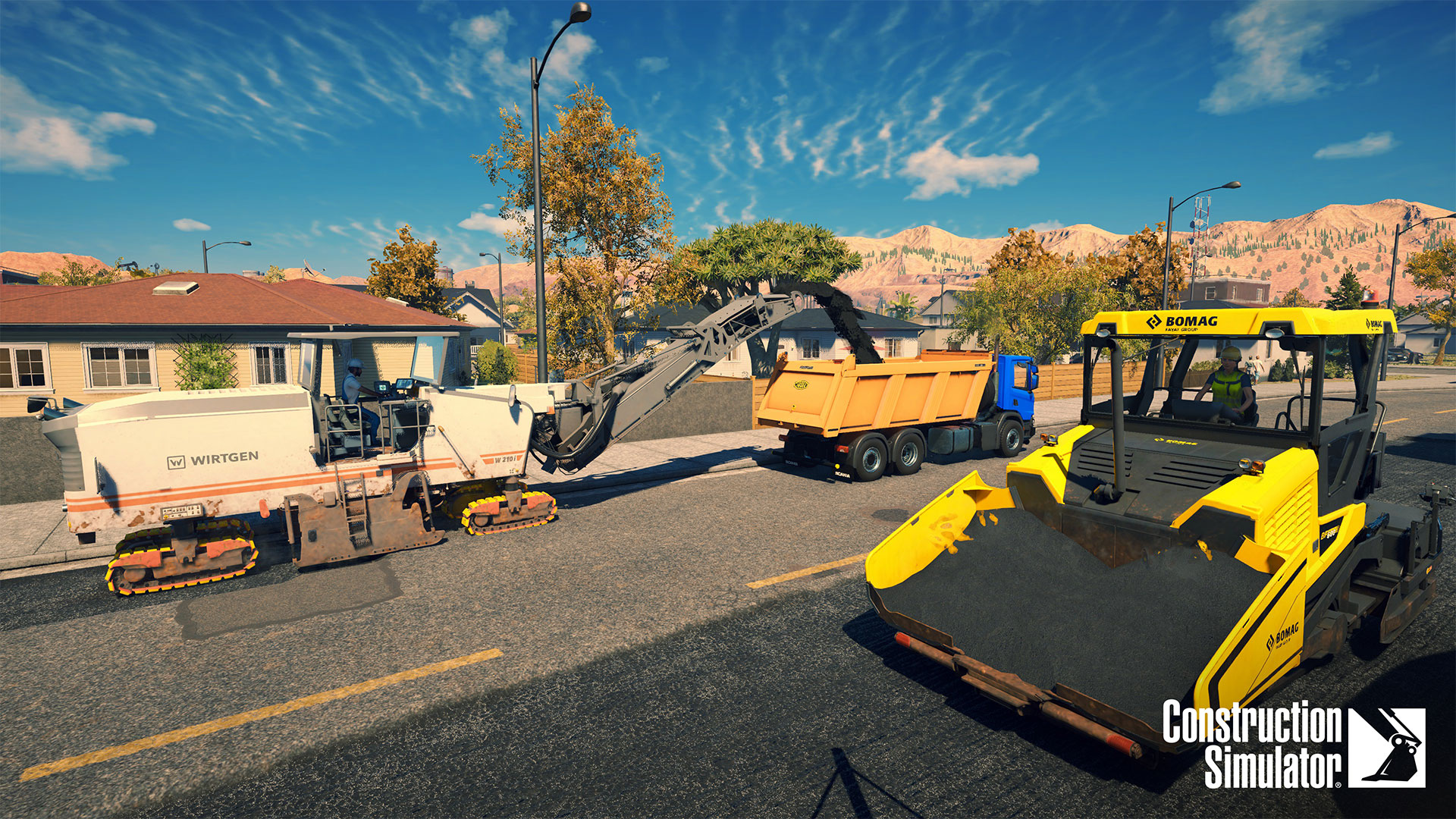
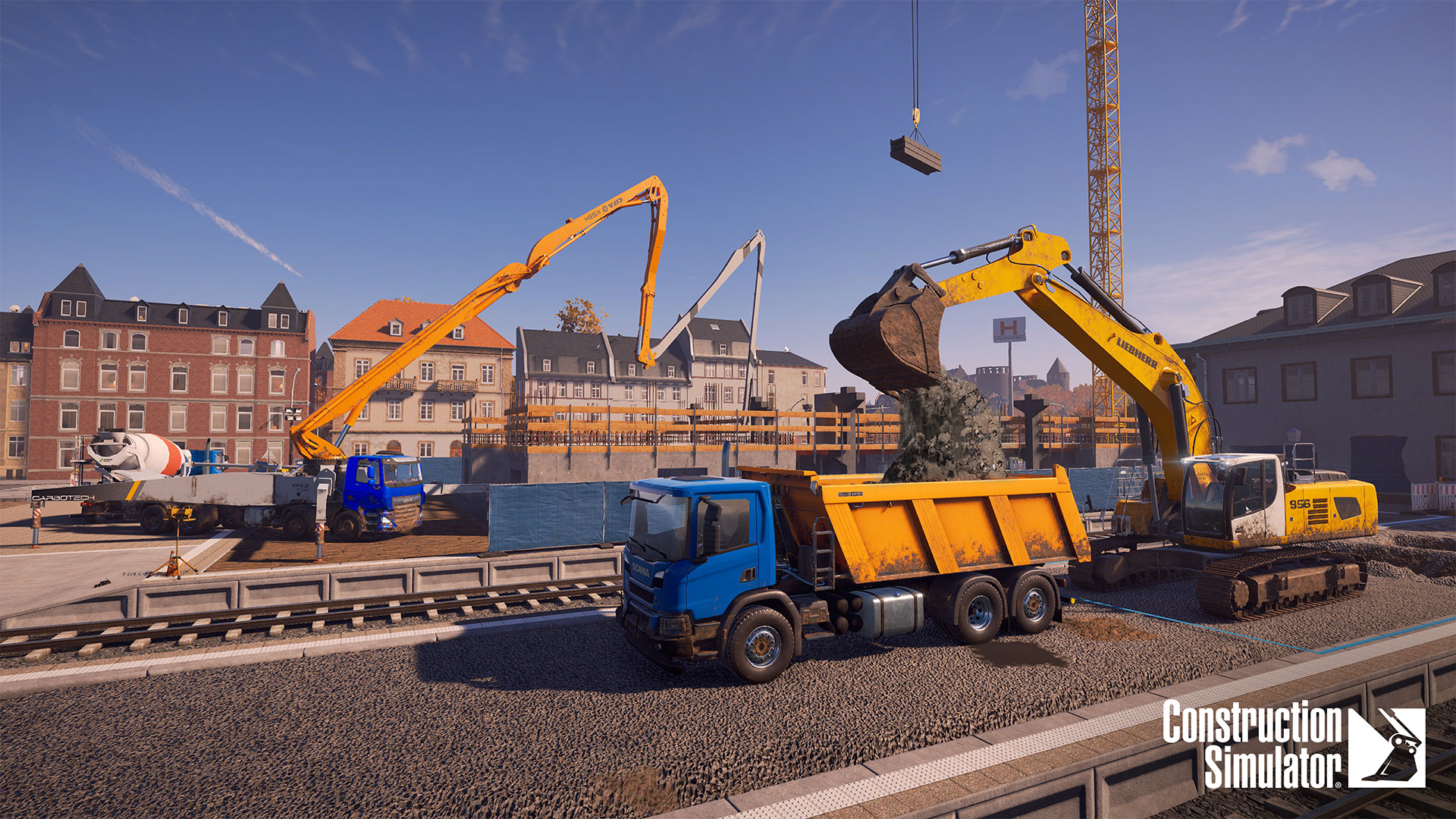
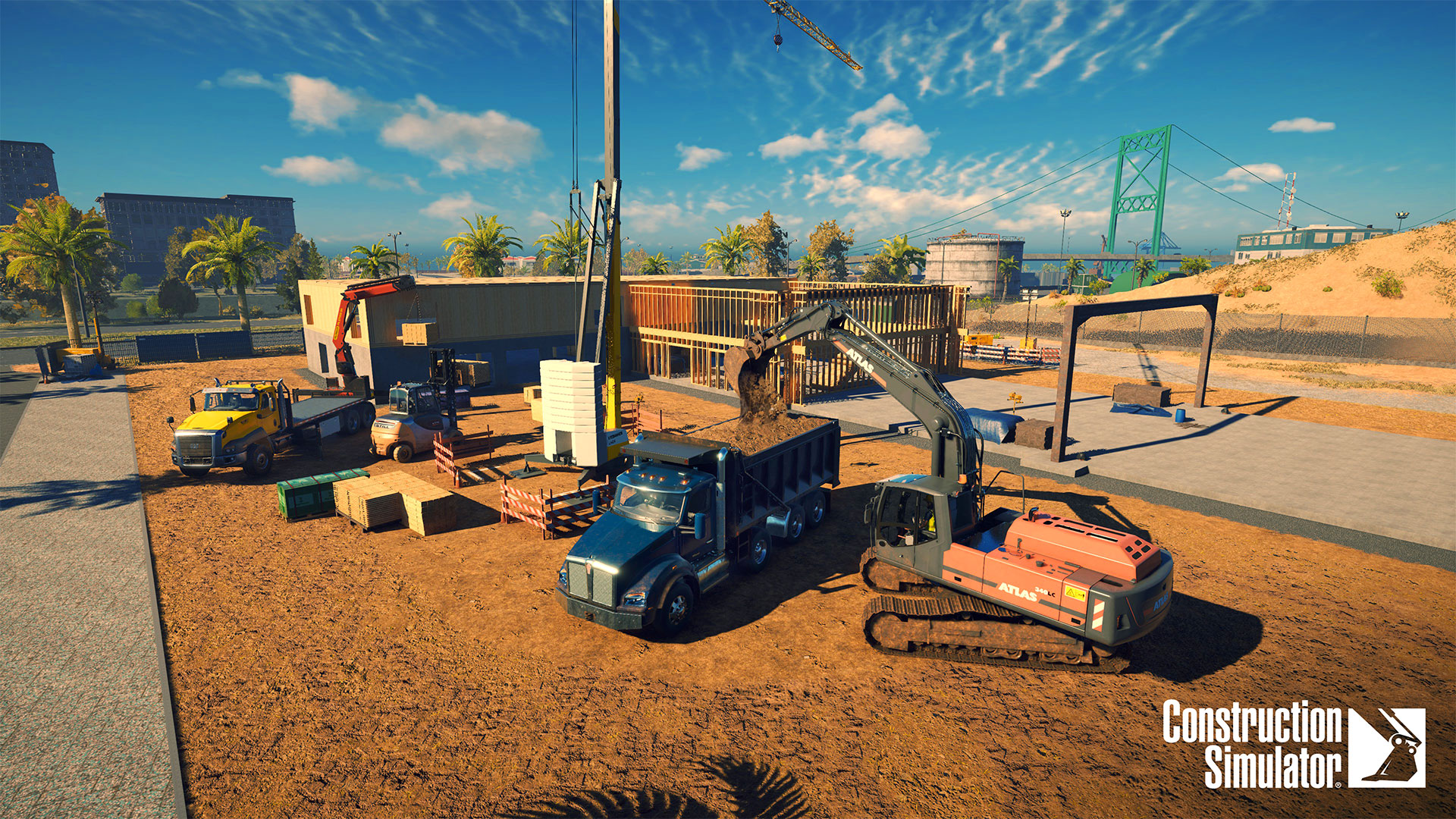
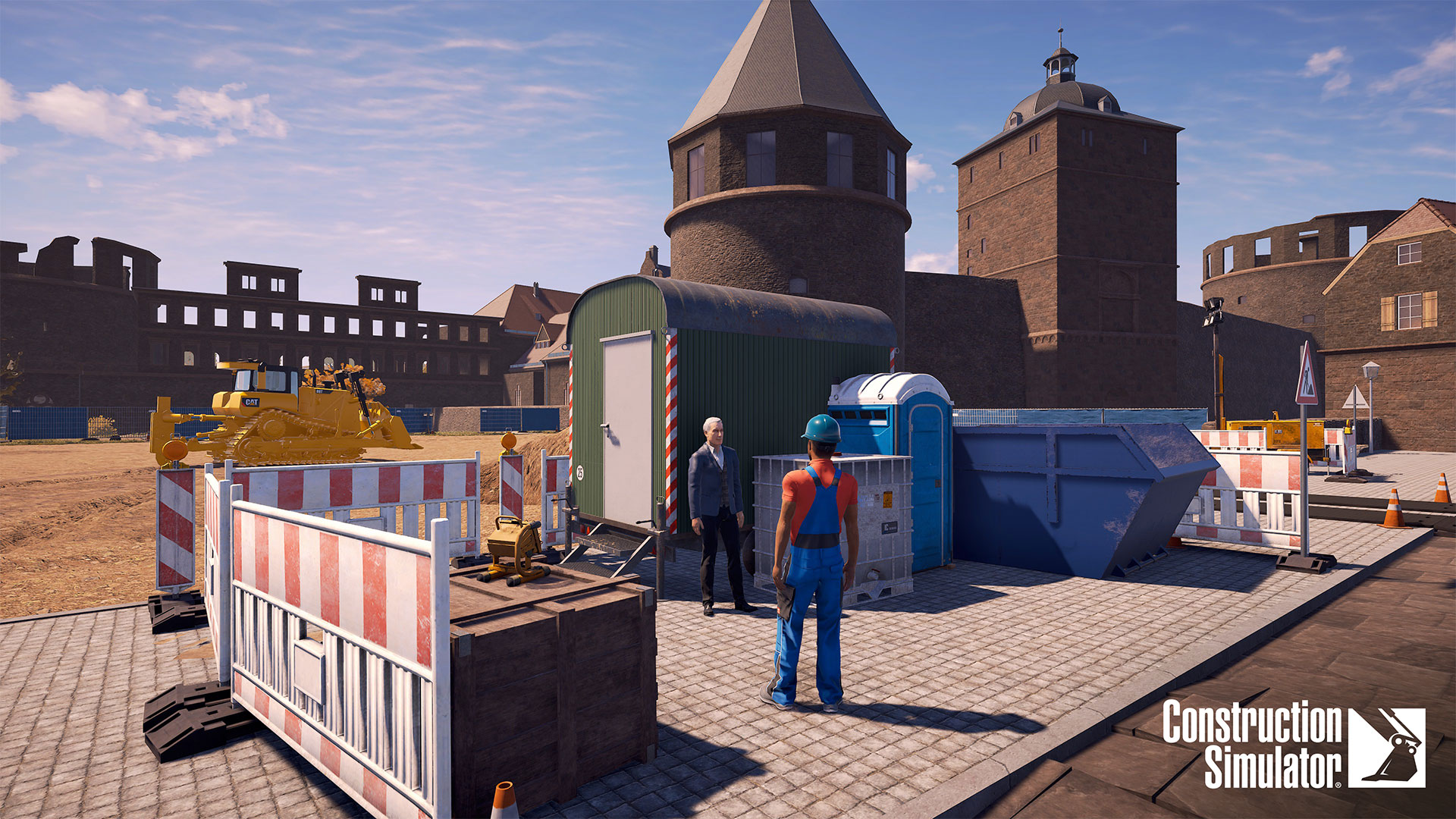
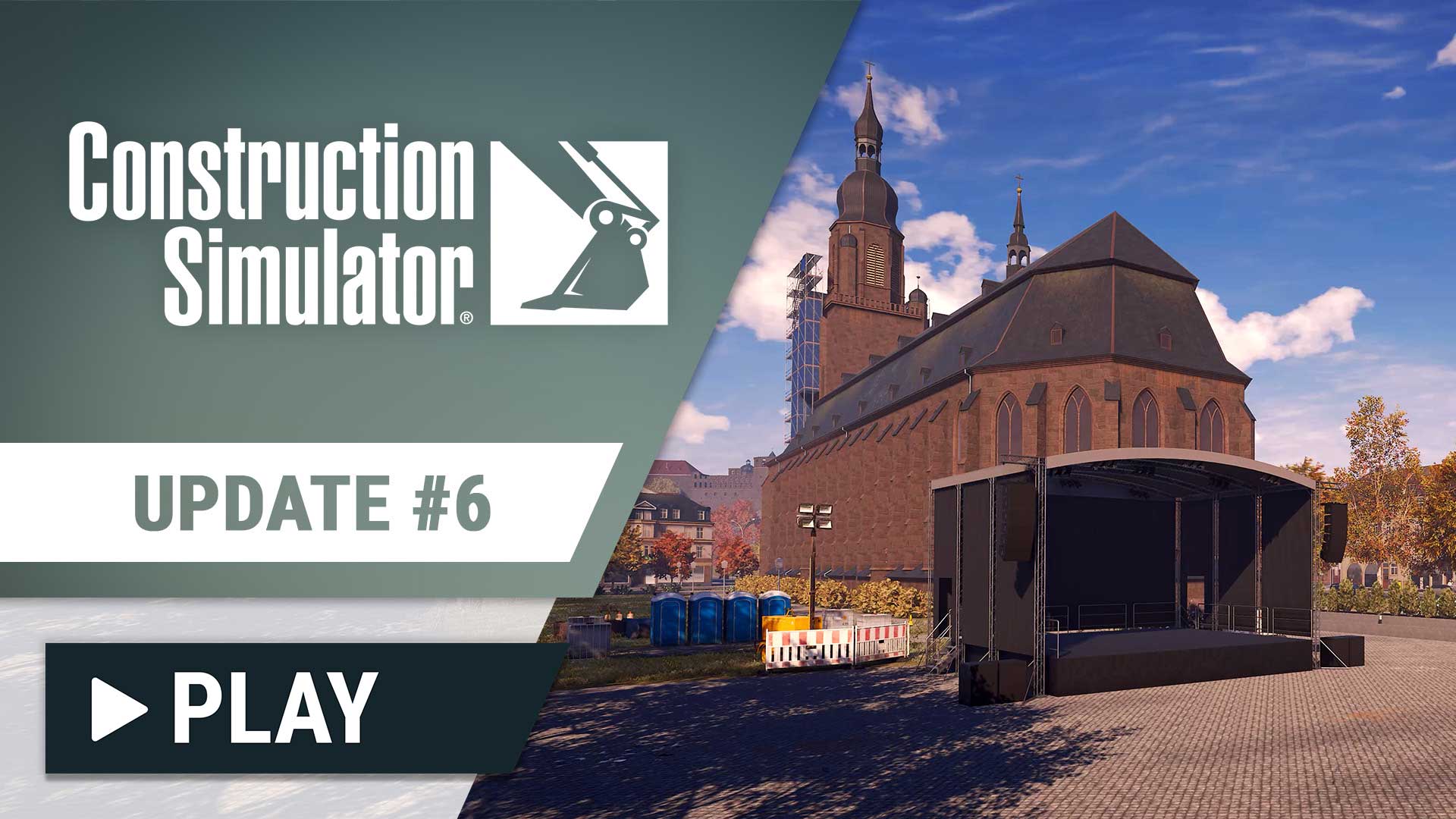
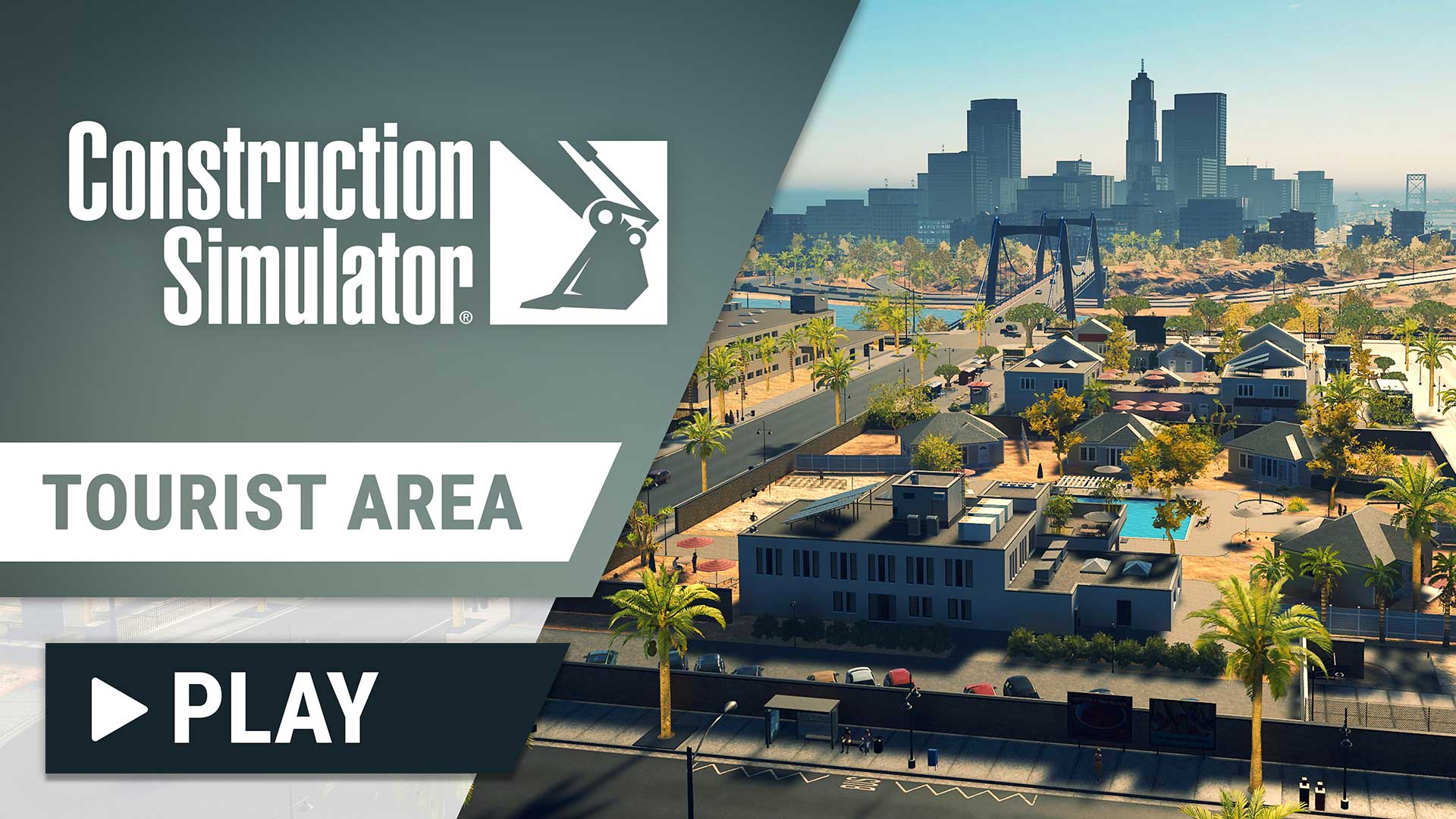
Build to your heart’s content on two maps, inspired by landscapes in the USA and Germany. Experience campaigns unique to the individual settings, featuring special challenges that you need to overcome with your growing construction company. Build it from the ground up with your mentor Hape and expand your fleet to take on more challenging contracts.

Of course, players can look forward to familiar brands and machines from previous installments of the franchise. All these officially licensed partners come with familiar machines and new ones – sporting improved looks: Atlas, BELL, Bobcat, Bomag, CASE, Caterpillar©, Kenworth, Liebherr, MAN, Mack Trucks, Meiller-Kipper, Palfinger, Still, and the Wirtgen Group.

Not only can players enjoy known license partners, but new ones that we’re proud to present. Nine new brands introduce lots of machines and vehicles and even include officially licensed personal protection equipment for your character!

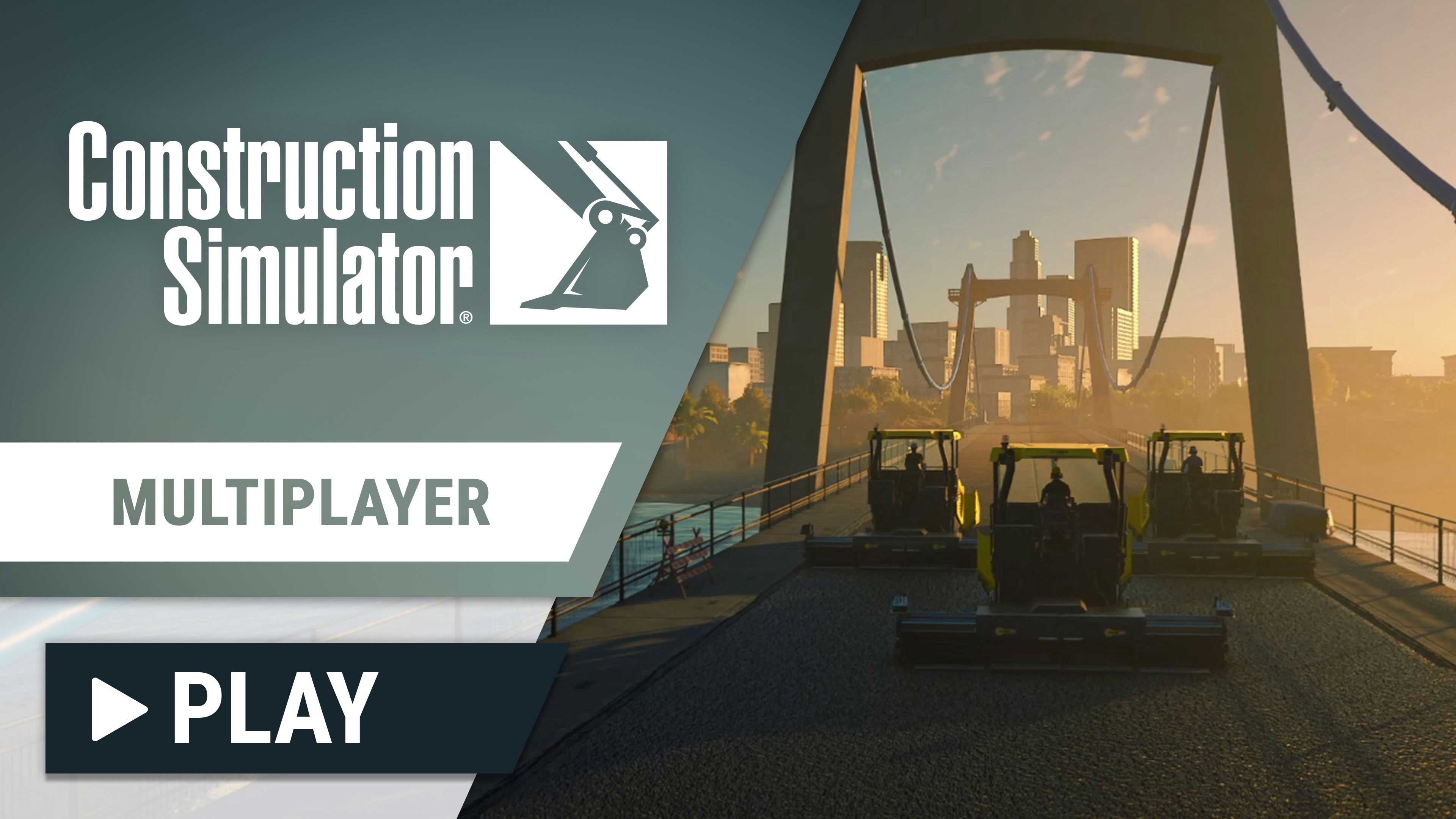
Look forward to over 80 machines from these license partners, all highly detailed to faithfully recreate their real-life counterparts. Not only can you grow your own construction empire, you can also invite your friends to join you. Coordinate and build together to finish contracts even more efficiently!

Features

  • 80+ machines, vehicles and attachments
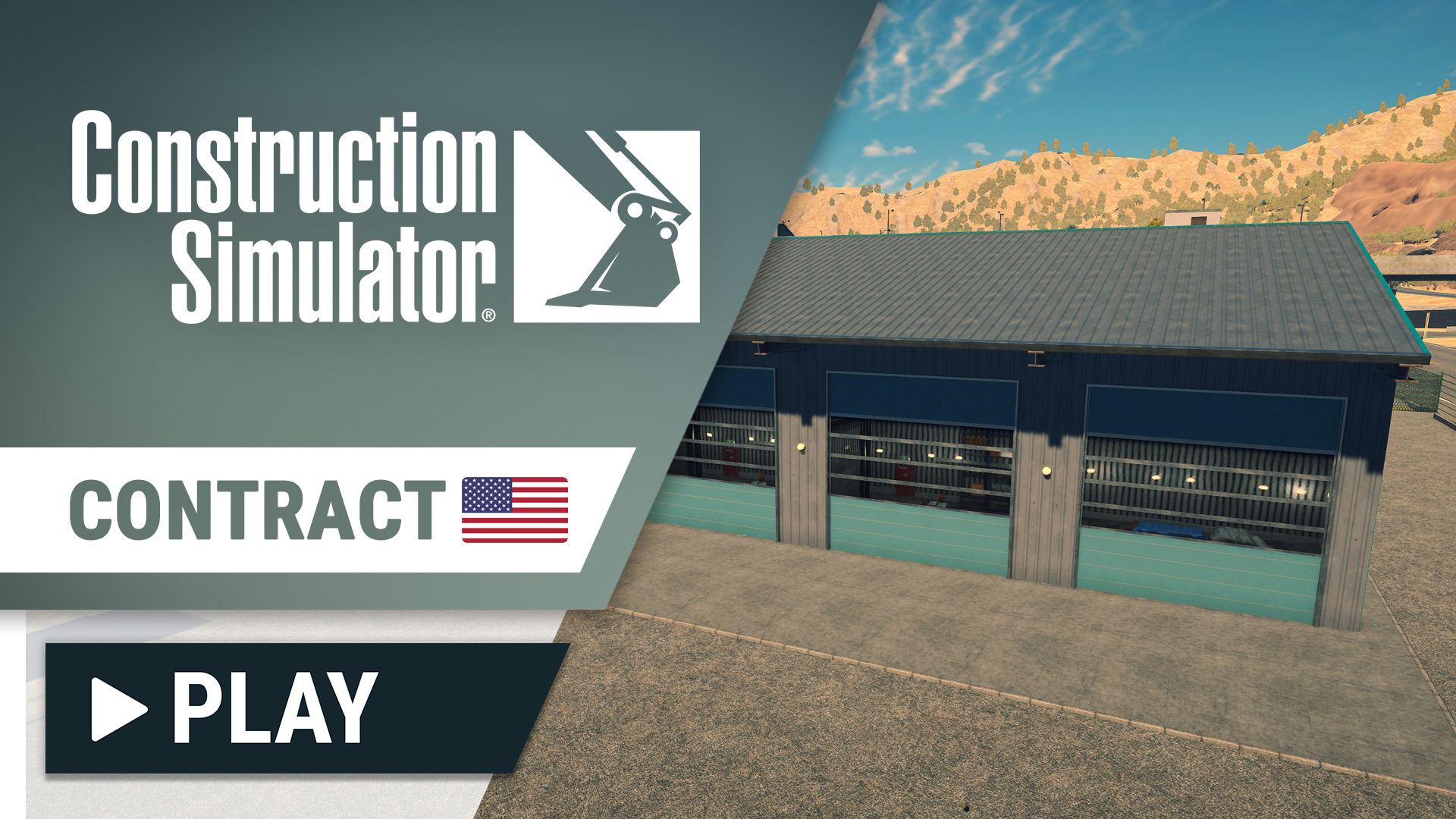
  • One map inspired by the USA called Sunny Haven
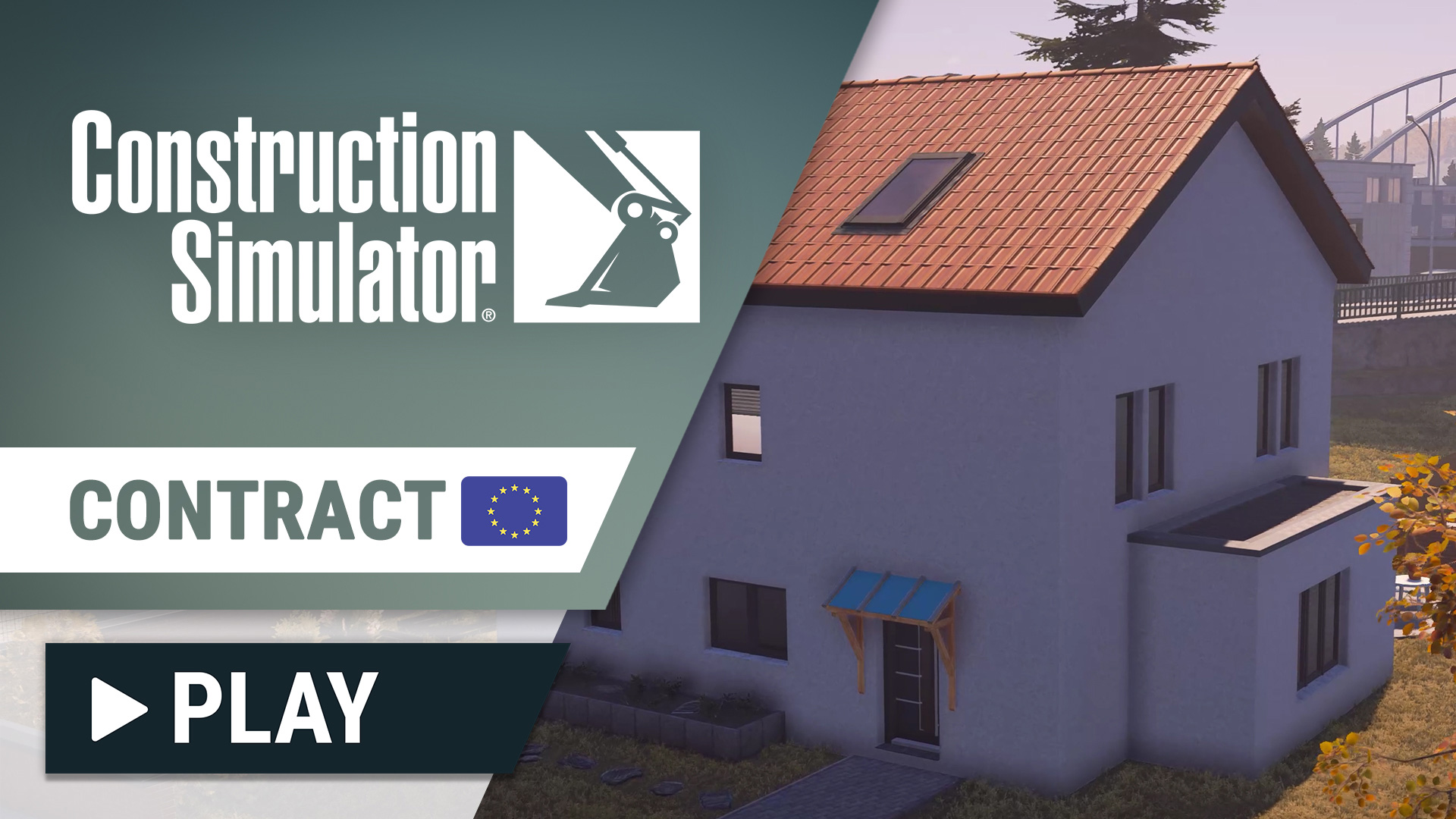
  • Another map inspired by Germany named Friedenberg
  • Each of the two maps comes with its own campaign
  • Challenge yourself with over 90 contracts including road and bridge construction
  • 9 new license partner such as Doosan, DAF und Cifa
  • 25 world-famous brands in total
  • Licensed workwear from Strauss for the first time in the series
  • Dynamic day and night cycle
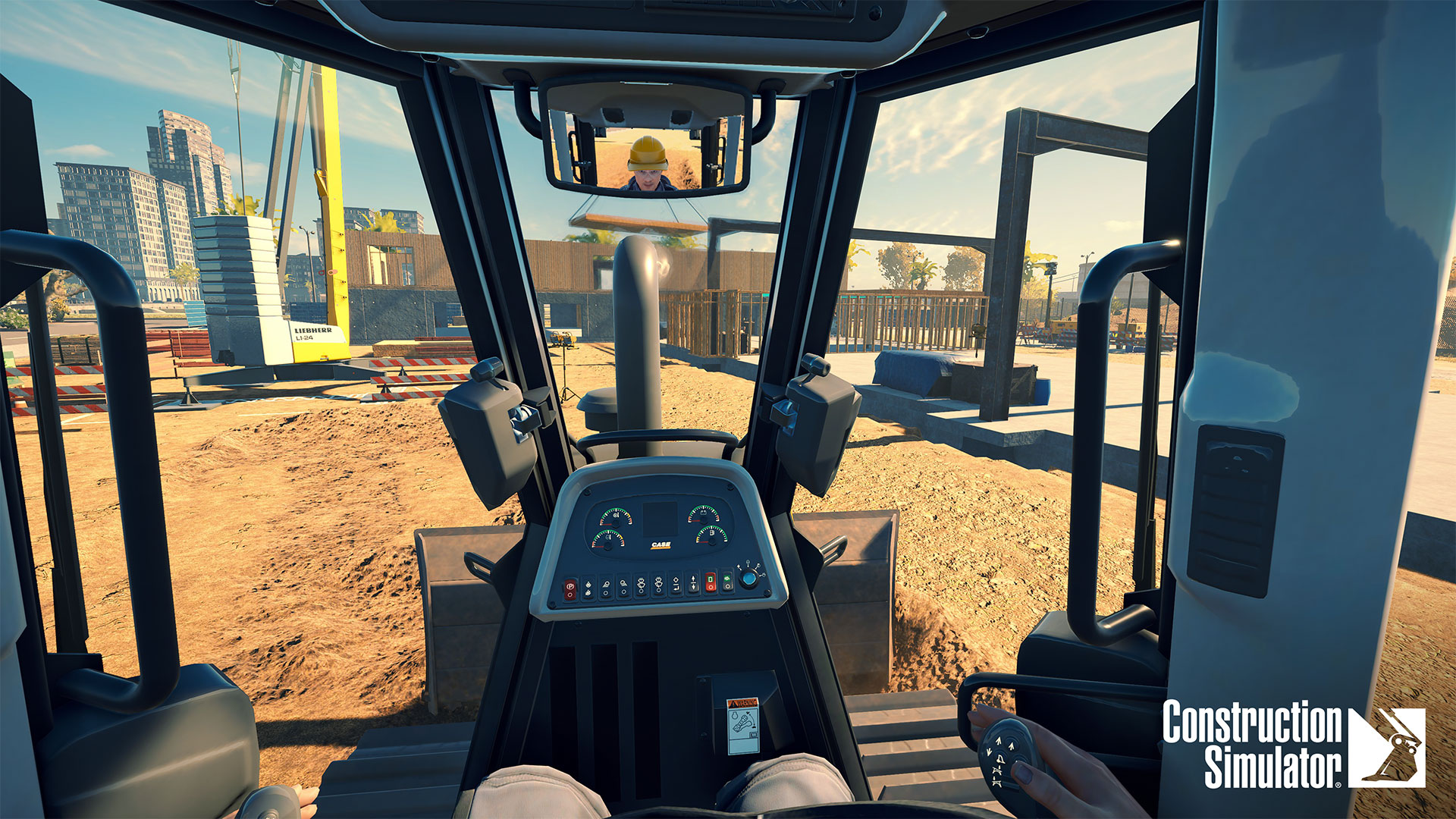
  • Improved vehicle and earthmoving system
  • Cooperative multiplayer for up to 4 players
  • Cross-Gen multiplayer on consoles
  • Smart Delivery on Xbox consoles and Free Upgrade from PS4 to PS5
  • Supports DualSense features on PlayStation®5
Screenshot Screenshot Screenshot Screenshot Screenshot Screenshot Screenshot Screenshot

Trailer

Atlas Bell Bobcat Bomag Cifa Case Cat DAF Doosan Kenworth Liebherr Mack Man Meiller Nooteboom Palfinger Scania Schwing Stetter Still Strauss Wacker Neuson Wirtgen

Newsletter

Subscribe to our newsletter to get the latest news of Construction Simulator right in your inbox. Please note that you have to confirm your subscription before receiving our newsletter.


I want to unsubscribe

Cyclone 3dr Download Hot — Leica

Leica Cyclone 3DR is a specialized application for processing point clouds from terrestrial laser scanners. It promises streamlined workflows: automatic noise filtering, classification of surfaces (ground, vegetation, buildings), and fast extraction of deliverables such as digital terrain models, contours, and as-built comparisons. For surveyors, civil engineers, and heritage conservators, 3DR can be the difference between weeks of manual cleanup and a single, defensible dataset ready for design or documentation. Its power lies not just in raw algorithms but in the trust professionals place in an integrated environment backed by decades of sensor development and domain expertise.

Leica Cyclone 3DR occupies a curious space in the modern landscape of surveying and 3D reality capture: a tool designed to tame mountains of point-cloud data, yet often talked about in forums and search bars with the peculiar, urgent phrase “download hot.” That odd juxtaposition—industrial precision and internet impatience—frames both a literal and cultural story about how professional software, user expectations, and the rhythms of technological adoption collide.

Beyond the immediate practicalities, there’s an aesthetic tension: the brutalist clarity of a point cloud rendered by Cyclone 3DR—millions of spatially precise dots forming a gothic façade or a shattered bridge arch—contrasts with the messy sociotechnical net that surrounds software distribution. The point cloud is objective; the ways people obtain the tools to process it are not. That dissonance invites reflection. The ease with which one might search “download hot” belies the meticulous care required to produce reliable surveys. Accuracy in the field demands not just calibrated hardware and robust algorithms, but also responsible software stewardship: licensed, updated, and verified installations that preserve data integrity and chain of custody. leica cyclone 3dr download hot

Yet the phrase “download hot” captures a parallel story. In a world accustomed to instant access, professionals hunting for installers, patches, or crackled serials often append “hot,” “torrent,” or “rapid” to their queries. That impulse reflects pressures—urgent project deadlines, unpredictable field conditions, and the friction of licensing or IT bureaucracy. It also reveals a shadow economy of software exchange where safety, legality, and compatibility are frequently traded for speed. The risk is tangible: corrupted installers, malicious payloads, unsupported configurations, and the professional liability that comes with compromised data fidelity.

In short, “leica cyclone 3dr download hot” is more than a clipped internet query; it’s a microcosm of modern technical practice. It encapsulates urgency and ingenuity, convenience and risk, the objective clarity of spatial data and the messy human systems that produce it. A single, crystalline point cloud may be perfectly ordered in space—but the paths people take to create, process, and protect that data reflect complex social and technical choices. A wise practitioner, faced with a looming deadline and a tempting quick download, will remember that speed without rigor can cost far more than time: it can cost accuracy, reputation, and sometimes safety. Leica Cyclone 3DR is a specialized application for

Finally, there’s a cultural layer: the “hot” search term hints at the democratization of advanced technologies. Where once powerful tools required institutional procurement and a dedicated IT team, many capabilities are now accessible to small firms and individual practitioners. That democratization is positive but requires maturity—users must pair newfound access with best practices: regular backups, validated training, and licensing compliance.

There is also a human story woven through these datasets. Cyclone 3DR outputs can resurrect lost places—cataloguing ancient ruins in 3D for conservation—or make hazardous infrastructure safe by enabling accurate clash detection in planning. Each processed scan is a collaboration between machine, operator, and software. When someone types “leica cyclone 3dr download hot” they’re often a professional in a moment of practical urgency, yes, but they’re also someone whose decisions influence safety, heritage, budgets, and downstream design. The stakes make the phrase both banal and profound. Its power lies not just in raw algorithms

The broader industry context matters. As cloud-based processing and subscription licensing spread, the way practitioners obtain and run tools is changing. Vendors emphasize secure portals, integrated update systems, and cloud compute to reduce dependence on local installers. That evolution addresses many problems implicit in the “download hot” impulse: version control, patch management, and centralized authentication help maintain consistent workflows and support reproducible results. Still, transitions are uneven; legacy projects, limited bandwidth in the field, and entrenched workflows mean local installers remain essential.

Leica Cyclone 3DR is a specialized application for processing point clouds from terrestrial laser scanners. It promises streamlined workflows: automatic noise filtering, classification of surfaces (ground, vegetation, buildings), and fast extraction of deliverables such as digital terrain models, contours, and as-built comparisons. For surveyors, civil engineers, and heritage conservators, 3DR can be the difference between weeks of manual cleanup and a single, defensible dataset ready for design or documentation. Its power lies not just in raw algorithms but in the trust professionals place in an integrated environment backed by decades of sensor development and domain expertise.

Leica Cyclone 3DR occupies a curious space in the modern landscape of surveying and 3D reality capture: a tool designed to tame mountains of point-cloud data, yet often talked about in forums and search bars with the peculiar, urgent phrase “download hot.” That odd juxtaposition—industrial precision and internet impatience—frames both a literal and cultural story about how professional software, user expectations, and the rhythms of technological adoption collide.

Beyond the immediate practicalities, there’s an aesthetic tension: the brutalist clarity of a point cloud rendered by Cyclone 3DR—millions of spatially precise dots forming a gothic façade or a shattered bridge arch—contrasts with the messy sociotechnical net that surrounds software distribution. The point cloud is objective; the ways people obtain the tools to process it are not. That dissonance invites reflection. The ease with which one might search “download hot” belies the meticulous care required to produce reliable surveys. Accuracy in the field demands not just calibrated hardware and robust algorithms, but also responsible software stewardship: licensed, updated, and verified installations that preserve data integrity and chain of custody.

Yet the phrase “download hot” captures a parallel story. In a world accustomed to instant access, professionals hunting for installers, patches, or crackled serials often append “hot,” “torrent,” or “rapid” to their queries. That impulse reflects pressures—urgent project deadlines, unpredictable field conditions, and the friction of licensing or IT bureaucracy. It also reveals a shadow economy of software exchange where safety, legality, and compatibility are frequently traded for speed. The risk is tangible: corrupted installers, malicious payloads, unsupported configurations, and the professional liability that comes with compromised data fidelity.

In short, “leica cyclone 3dr download hot” is more than a clipped internet query; it’s a microcosm of modern technical practice. It encapsulates urgency and ingenuity, convenience and risk, the objective clarity of spatial data and the messy human systems that produce it. A single, crystalline point cloud may be perfectly ordered in space—but the paths people take to create, process, and protect that data reflect complex social and technical choices. A wise practitioner, faced with a looming deadline and a tempting quick download, will remember that speed without rigor can cost far more than time: it can cost accuracy, reputation, and sometimes safety.

Finally, there’s a cultural layer: the “hot” search term hints at the democratization of advanced technologies. Where once powerful tools required institutional procurement and a dedicated IT team, many capabilities are now accessible to small firms and individual practitioners. That democratization is positive but requires maturity—users must pair newfound access with best practices: regular backups, validated training, and licensing compliance.

There is also a human story woven through these datasets. Cyclone 3DR outputs can resurrect lost places—cataloguing ancient ruins in 3D for conservation—or make hazardous infrastructure safe by enabling accurate clash detection in planning. Each processed scan is a collaboration between machine, operator, and software. When someone types “leica cyclone 3dr download hot” they’re often a professional in a moment of practical urgency, yes, but they’re also someone whose decisions influence safety, heritage, budgets, and downstream design. The stakes make the phrase both banal and profound.

The broader industry context matters. As cloud-based processing and subscription licensing spread, the way practitioners obtain and run tools is changing. Vendors emphasize secure portals, integrated update systems, and cloud compute to reduce dependence on local installers. That evolution addresses many problems implicit in the “download hot” impulse: version control, patch management, and centralized authentication help maintain consistent workflows and support reproducible results. Still, transitions are uneven; legacy projects, limited bandwidth in the field, and entrenched workflows mean local installers remain essential.