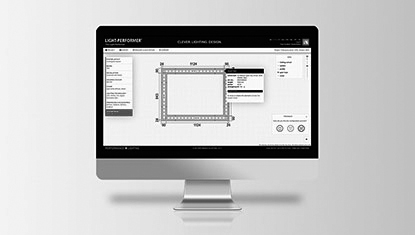
Code finder
Find individual luminaires quickly and easily
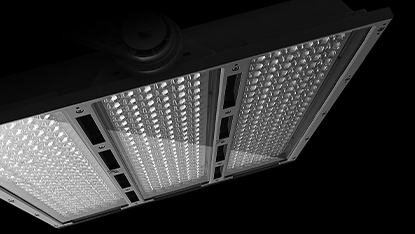
Advanced search
Find your ideal lighting solution faster with technical filters
Start the search
Select your country
Europe
North America
Asia
Australia
If your country is not among those available, you can consult the website International

JpegMedic started as a one-person passion project — a command-line utility created by a digital restoration hobbyist who wanted to repair corrupted JPEG thumbnails embedded inside larger image files. Word of the tool spread through niche preservation forums where archivists praised its uncanny ability to resurrect lost micro-previews. But the algorithm’s power had an unintended side effect.

The situation escalated into a public debate about permanence in the decentralized era. Advocates framed JpegMedic’s discoveries as a wake-up call: decentralized storage can preserve culture, but also amplify human error and stubbornly persistent secrets. Critics demanded better consent models and tools that respect provenance and privacy.

Late one rain-slick evening in an unremarkable coworking space in Lisbon, a quiet script named JpegMedic did what no one expected: it ripped open a hidden seam in the web and let a flood of secrets seep out.

A researcher using JpegMedic for legitimate recovery noticed that certain "repaired" thumbnails contained more than pixel artifacts: tiny, structured fragments that, when reassembled across dozens of images, formed coherent data blocks. These blocks, it turned out, were pieces of a content-addressed storage record hosted on a decentralized network nicknamed Arwe — a sprawling, permanode-like archive used by developers and collectors to pin datasets immutably.

Products search
You can search for products in our catalog by entering here the name or the code of the product or accessory.